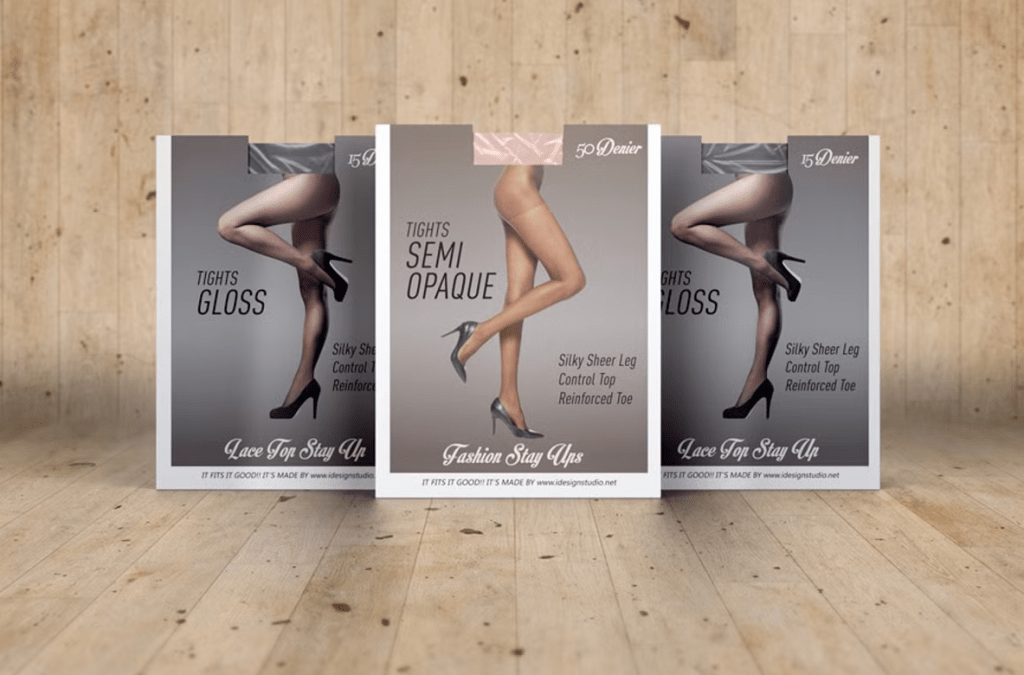
When we think about pantyhose, the first thing that often comes to mind is the soft, stretchy fabric designed to enhance comfort and provide a smooth silhouette. However, the packaging in which pantyhose are sold is just as important as the product itself. Pantyhose packaging serves multiple purposes – from protecting the product to promoting the brand, and even enhancing the customer experience. As the fashion industry continues to evolve, pantyhose packaging has undergone significant transformation, with a focus on design, convenience, and sustainability.
Why Is Pantyhose Packaging Important?
Pantyhose are delicate products that can easily be damaged, so effective packaging is essential for protecting the item from damage during transportation and handling. But packaging goes beyond just protection. It plays a crucial role in catching the consumer’s eye, conveying brand identity, and even making the buying decision easier. A well-designed package can make pantyhose stand out on store shelves, while also communicating the quality and value of the product inside.
Good packaging also contributes to the convenience of use. Easy-to-open packaging and compact sizes make the product more accessible and simpler for consumers to use, enhancing their overall shopping experience.
Types of Pantyhose Packaging
Pantyhose packaging varies widely, depending on the brand’s strategy and target market. Here are some of the most popular types:
- Cardboard and Paper Packaging
Traditionally, pantyhose were packaged in sturdy cardboard boxes, which not only protected the product but also provided ample space for branding. These boxes are often designed with attractive graphics, which help communicate the product’s quality and style. Paperboard is a recyclable option, making it a sustainable choice for eco-conscious brands. - Plastic Packaging
Plastic packaging is still commonly used for pantyhose. It offers a transparent view of the product, allowing customers to see the color and texture of the pantyhose before purchasing. Clear plastic packaging is often paired with a cardboard backing for added support and to enhance the overall appearance of the product. - Blister Packs
For a sleek, modern look, blister packs are a popular choice for pantyhose packaging. These packs offer a clear, plastic compartment that securely holds the pantyhose while also allowing for easy visibility. Blister packs are often used for higher-end or specialty pantyhose, like those with reinforced toes or luxurious fabrics. - Eco-Friendly Packaging
With sustainability becoming a priority for many consumers, eco-friendly packaging has gained popularity in recent years. Brands are shifting towards recyclable or biodegradable materials such as kraft paper or compostable bags. This environmentally-conscious approach not only appeals to eco-minded customers but also aligns with global movements toward reducing plastic waste.
The Design Aspect of Pantyhose Packaging
Pantyhose packaging design plays a crucial role in attracting consumers. Bold, minimalist designs, elegant color schemes, and unique patterns often help to create a memorable impression. Packaging should also include essential details like sizing, material composition, and care instructions to assist customers in making informed decisions.
Moreover, many pantyhose brands offer packaging that aligns with the brand’s identity. Whether it’s luxury, everyday wear, or activewear, the packaging design reflects the personality of the product, offering customers a glimpse of what’s inside.
FAQs about Pantyhose Packaging
1. Why is pantyhose packaging so important?
Pantyhose packaging is important because it protects the delicate material, promotes the brand, and enhances the consumer experience. It also provides necessary information such as size, fabric type, and care instructions.
2. What materials are used for pantyhose packaging?
Pantyhose packaging can be made from various materials, including paperboard, plastic, blister packs, and eco-friendly options like kraft paper or compostable bags. The choice of material depends on the brand’s budget, target audience, and environmental considerations.
3. Is there eco-friendly packaging for pantyhose?
Yes, many brands now offer eco-friendly packaging options, such as recyclable paper or biodegradable plastics. These options appeal to environmentally-conscious consumers and align with sustainability trends.
4. What makes a good pantyhose packaging design?
A good pantyhose packaging design is attractive, easy to open, and provides clear information. It should reflect the brand’s personality, highlight key product features, and make the shopping experience more enjoyable for the customer.
5. Can pantyhose packaging affect purchasing decisions?
Yes, packaging plays a significant role in the purchasing decision. Consumers are more likely to choose products with eye-catching packaging that aligns with their preferences, whether it’s eco-friendly, luxurious, or easy to use.
Conclusion
Pantyhose packaging is much more than just a protective wrapper – it is an essential element in product presentation, customer engagement, and brand differentiation. With the growing trend towards sustainability and unique design, packaging is an area where brands can truly set themselves apart. As consumers become more discerning and environmentally conscious, the packaging choices made by pantyhose brands will continue to evolve, making it an exciting area to watch in the coming years.
 Alexa Andrew
Leave a comment